EKG
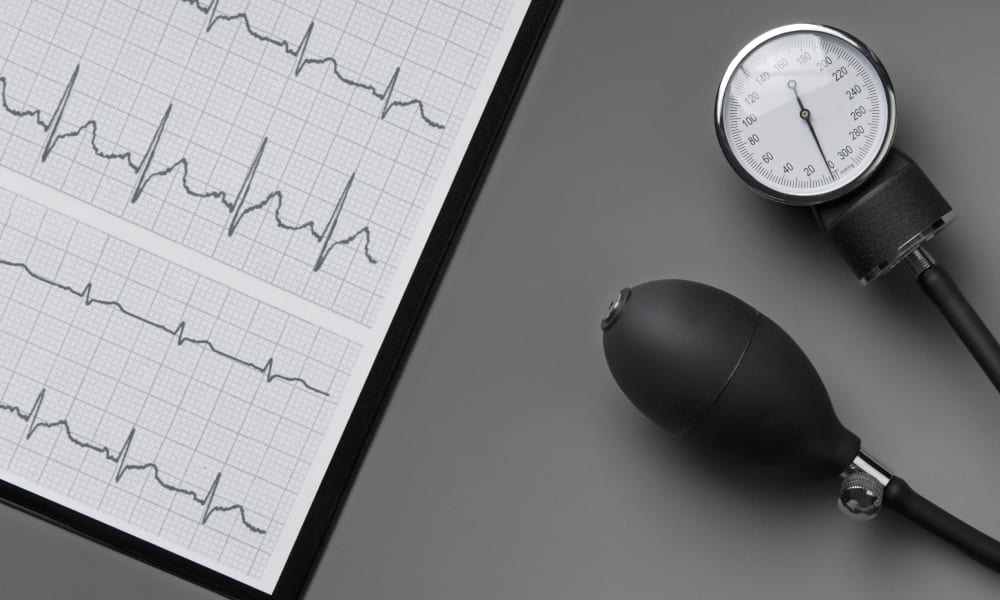
Comprehensive EKG Testing for Heart Health Monitoring in Valley Village
An Electrocardiogram (EKG test), also known as ECG, is a non-invasive heart test that records the electrical activity of your heart over a period of time using electrodes placed on your skin. This diagnostic procedure helps healthcare providers evaluate heart rhythm, electrical conduction, and overall cardiac health, offering valuable insights into how well your heart is functioning.
EKG testing in Valley Village is commonly used as part of a complete cardiology evaluation to detect potential heart-related issues early and accurately.
When is an EKG needed?
An EKG heart test may be recommended if you experience or have a history of:
- Chest pain or discomfort
- Irregular heartbeat (arrhythmia)
- Shortness of breath
- Dizziness or fainting spells
- Fatigue
- Palpitations (rapid or irregular heartbeat sensations)
- History of heart disease or other heart conditions
- Monitoring the effects of certain medications on the heart
If you are experiencing any of these symptoms or have concerns about your heart health, our EKG diagnostic services in Valley Village can help provide clarity and guide your treatment plan. For related cardiac care, you may also explore our internal cardiology services for comprehensive heart evaluations.
Treatment of abnormal EKG results
The treatment for abnormalities detected through an EKG screening varies depending on the specific condition diagnosed. Treatment options may include medication, lifestyle changes, medical procedures, or a combination of these approaches. Our experienced healthcare team works closely with you to create a personalized heart care plan based on your EKG results and overall health needs.
For additional medical guidance on electrocardiograms, you can refer to authoritative information from the American Heart Association.
FAQ’s
1. Is an EKG test painful?
No, an EKG procedure is completely painless. Electrodes are placed on the skin to record heart activity without causing discomfort.
2. How long does an EKG take?
A standard EKG test usually takes about 5–10 minutes, making it a quick and efficient diagnostic tool.
3. Do I need to prepare for an EKG?
In most cases, no special preparation is required for an EKG heart exam. You may be asked to avoid lotions or oils on your skin before the test.
4. Can an EKG detect heart attacks?
An EKG test can help identify signs of a past or ongoing heart attack, as well as other abnormalities in heart rhythm.
5. How often should I get an EKG?
The frequency of EKG monitoring depends on your age, symptoms, and medical history. Your healthcare provider will recommend testing based on your individual risk factors.
Q6: Can an EKG detect arrhythmias that only occur occasionally?
Standard EKGs provide a snapshot of your heart’s rhythm. For intermittent arrhythmias, extended monitoring with a Holter or event monitor may be recommended.
Q7: Are there any risks associated with EKG testing?
EKG testing is non-invasive and safe. There is no radiation exposure, and side effects are extremely rare.
Q8: What should I wear for an EKG appointment?
Comfortable, loose-fitting clothing is recommended. Avoid lotions or oils on your chest, as they can interfere with electrode adhesion.
Q9: Can lifestyle changes improve abnormal EKG results?
Yes. Exercise, heart-healthy diet, stress management, and avoiding smoking or excessive alcohol can improve heart function and overall cardiovascular health.
Q10: How soon are EKG results available?
Results are often available immediately after the test, with a detailed interpretation provided by your healthcare provider during the same visit or follow-up consultation.
Q11: Can an EKG detect heart conditions in children?
Yes. Pediatric EKGs are used to evaluate heart rhythm, congenital heart defects, and other cardiac concerns in children and adolescents.
Q12: How is an abnormal EKG followed up?
If abnormalities are detected, your provider may recommend additional tests such as echocardiograms, stress tests, blood work, or referral to a cardiologist.
Q13: Can medications affect EKG readings?
Certain medications, such as antiarrhythmics or some psychiatric drugs, can alter heart rhythm and may influence EKG results. Always inform your provider about current medications.
Q14: Is an EKG useful for routine heart health checkups?
Yes. Even without symptoms, EKGs can provide baseline information about your heart rhythm and detect early signs of potential problems.
Q15: Can an EKG be repeated for monitoring over time?
Absolutely. EKGs are safe for repeated use and are often employed to track changes in heart rhythm or the effectiveness of treatment plans.