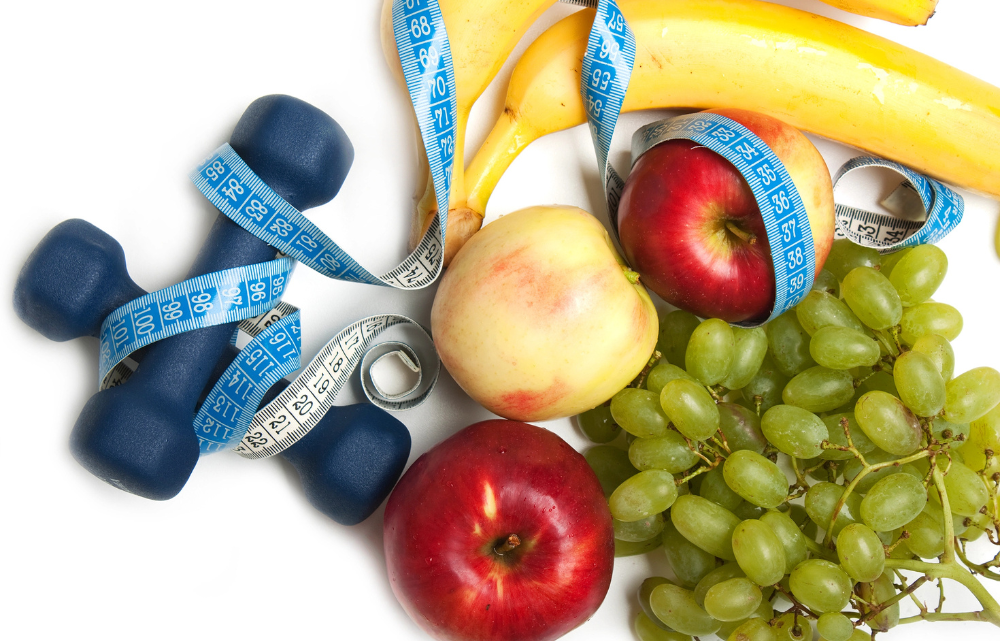
Why the Number on the Scale Doesn’t Tell the Whole Story
When most people set a weight loss goal, they focus on what the scale shows. But that number does not reveal what the body is actually losing. During weight loss, the number on the scale reflects more than body fat. Without the right nutrition, people may lose lean muscle along with fat. It is muscle. And losing muscle makes sustainable weight loss harder to achieve, not easier.
Protein plays a central role in changing that outcome. It provides the building blocks the body needs to maintain lean muscle while still reducing body fat. The right amount, paired with the right approach, supports a healthier and more lasting result than cutting calories alone. Because individual needs vary based on age, activity level, medical history, and specific weight management goals, there is no universal protein formula that works for everyone.
Why Losing Muscle During Weight Loss Can Slow Progress
The body draws on multiple energy sources when calorie intake drops. Fat stores are one source, but muscle tissue is another. Without enough dietary protein to signal the body to preserve lean tissue, muscle mass can decline alongside fat, particularly when the calorie deficit is significant or sustained over a long period.
This matters because muscle mass directly supports metabolism. Muscle burns more calories at rest than fat does, so losing it gradually lowers the number of calories the body needs each day. Over time, this makes further fat loss more difficult and increases the likelihood of regaining weight.
Signs that someone may be losing muscle rather than primarily fat include persistent fatigue, a noticeable drop in strength, and difficulty performing physical tasks that once felt routine. These changes can develop slowly, which is why they are easy to overlook or attribute to other causes.
Also Read: The Role of Primary Care in Long-Term Health, Not Just Sick Visits
How Protein Helps Preserve Lean Muscle During Weight Loss
Protein supplies the amino acids the body uses to maintain and repair muscle tissue. During a calorie deficit, those amino acids become especially important because the body is under pressure to find energy wherever it can. Adequate protein intake helps support the preservation of lean muscle, particularly when combined with resistance exercise.
Resistance exercise strengthens this effect. When strength training is combined with sufficient protein intake, the body receives a clear signal to maintain muscle even as fat is being reduced. This combination consistently produces better body composition outcomes than calorie restriction alone. For patients working through a structured weight loss program, this is one of the most important practical adjustments they can make.
Protein’s Role in Managing Hunger and Preventing Overeating
One of the reasons high-protein diets tend to support weight loss is not just biological. It is behavioral. Protein digests more slowly than carbohydrates, and it triggers a stronger fullness response after meals. This means that people eating adequate protein are less likely to feel hungry again shortly after eating.
What patients often notice is that higher-protein meals reduce the urge to snack between meals. Cravings for quick, high-calorie foods become easier to manage when hunger is more stable throughout the day. Over weeks and months, this adds up. Feeling consistently satisfied makes it far easier to stick with a healthy weight loss plan than relying on willpower alone.
Does Everyone Need the Same Amount of Protein?
The short answer is no. Protein intake needs vary considerably from one person to the next, and generic recommendations often miss the nuance that determines whether a nutrition strategy actually works.
Age is one of the most significant factors. Older adults tend to lose muscle more readily and often require more protein to preserve lean tissue than younger people doing the same activity. Activity level matters as well. Someone engaged in regular resistance training has different needs than someone who is mostly sedentary.
Current muscle mass, the presence of chronic medical conditions, and the use of weight loss medications all influence how the body processes and utilizes protein. For patients on GLP-1 medications, for example, appetite suppression can make it harder to meet protein goals through meals alone, which requires a more intentional approach to nutrition. Individualized guidance consistently outperforms generic high-protein diet plans because it accounts for these variables rather than ignoring them.
Also Read: How Poor Sleep Can Sabotage Your Weight Loss Efforts and What to Do About It
Best Protein Sources for Healthy Weight Loss
Whole food sources of protein provide additional nutritional value beyond amino acids and are generally a better foundation than supplements for most people.
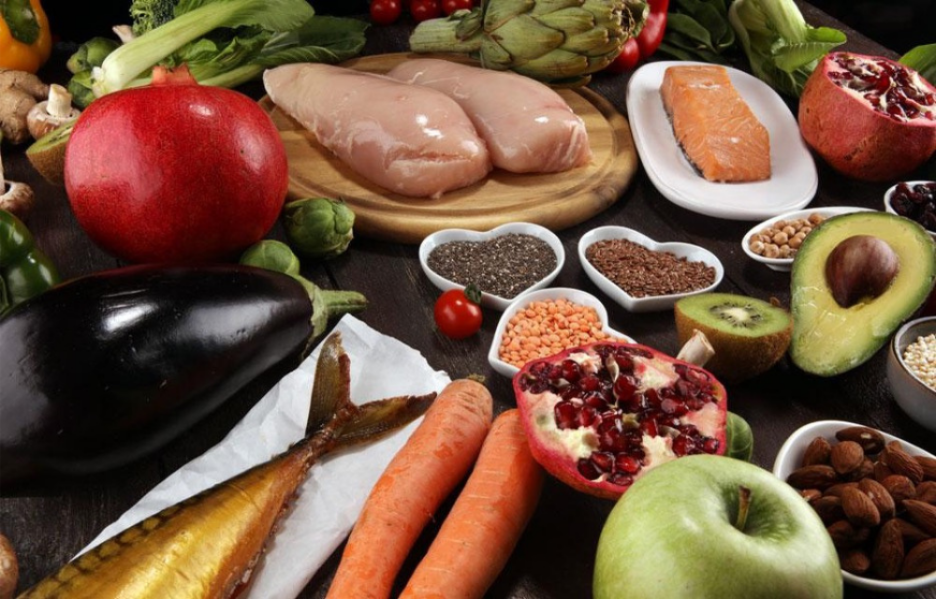
Among animal-based options, chicken, turkey, and fish offer lean protein with relatively low saturated fat. Eggs remain one of the most complete and versatile sources available. Greek yogurt and cottage cheese provide both protein and calcium, making them useful additions to meals or snacks.
Plant-based sources work well for patients who prefer to limit or avoid animal products. Lentils, beans, tofu, tempeh, edamame, and quinoa all contribute meaningful amounts of protein and pair well with other nutrient-dense foods. Combining plant sources throughout the day helps ensure a full range of essential amino acids.
Protein supplements, including shakes and powders, can be helpful when schedules are demanding, after exercise, or when meeting daily protein goals through food alone is genuinely difficult. They work best as a complement to whole food sources rather than a replacement for them.
Common Protein Mistakes That Can Limit Weight Loss Results
Several common patterns can reduce the effectiveness of a protein-focused weight loss approach. Spreading protein unevenly throughout the day, consuming most of it at dinner while eating very little at breakfast or lunch, limits how efficiently the body can use it for muscle preservation.
Relying heavily on processed protein products such as bars and packaged shakes can introduce added sugars, artificial ingredients, and excess calories that work against long-term goals. Focusing on protein without paying attention to overall dietary quality is another common reason weight loss stalls.
Skipping strength training while focusing only on cardio and diet is another common limitation. Without a stimulus to maintain muscle, even adequate protein intake may not fully protect lean muscle during a prolonged calorie deficit.
How a Physician Can Help Build a Protein Plan That Fits Your Goals
A physician-guided approach to weight management looks beyond the scale and focuses on body composition, meaning the balance between fat mass and lean muscle. This distinction matters because two patients can weigh the same and have very different health profiles depending on how much of that weight is muscle versus fat.
Dr. Bazel’s approach to medical weight loss in Panorama City includes adjusting protein intake based on each patient’s medical history, current medications, activity level, and realistic long-term goals. When weight loss medications are part of the plan, protein recommendations are adjusted accordingly to ensure that reduced appetite does not come at the expense of muscle mass.
This personalized approach to nutrition and weight management produces more sustainable results than following a generalized diet. It treats the patient as a whole rather than focusing narrowly on a single number.
Also Read: Pros and Cons of Intermittent Fasting for Weight Loss: What You Should Know
Protecting Muscle Is Part of Losing Weight Well
Successful healthy weight loss is not only about reducing what the scale shows. It is about changing body composition in a way that supports long-term health, energy, and metabolic function. Preserving lean muscle while reducing body fat is what makes the difference between results that last and results that reverse.
Protein is an important part of preserving lean muscle during weight loss for achieving that balance, but it works best when the amount, sources, and timing are tailored to the individual. Schedule a weight management consultation with Dr. Michael Bazel, M.D., for a personalized nutrition and weight loss plan.