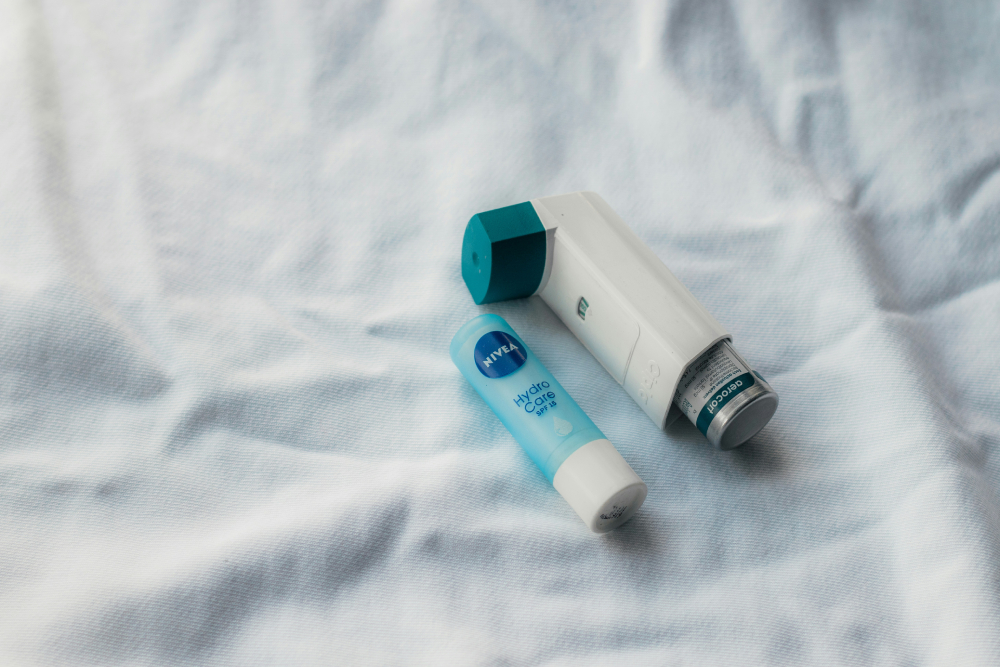
Many patients with asthma notice that their symptoms worsen at certain times of the year. Breathing may feel more restricted, coughing becomes more frequent, or inhalers are needed more often. At first, these changes can feel unpredictable.
What often matters most is not just the season itself, but the transition between seasons. Asthma symptoms tend to flare when multiple environmental factors shift at the same time.
Asthma symptoms often worsen during seasonal changes because shifts in temperature, allergens, and air quality create overlapping triggers. Instead of a single cause, the body is responding to several changes at once. This combination can make the airways more sensitive and reactive, even in patients who typically feel well controlled.
Over time, many patients begin to recognize that these changes follow a pattern. Symptoms may appear at similar times each year, even if the exact triggers are not always obvious. Understanding this pattern is what allows patients to anticipate flare-ups rather than react to them.
Also Read: What’s an Asthma Action Plan, and Why Should I Have One?
Why Asthma Symptoms Aren’t the Same Year-Round
Asthma does not behave the same way throughout the year. Symptoms shift based on environmental exposures, daily conditions, and the body’s response over time.
Some patients maintain a relatively stable baseline, where symptoms are mild and manageable. Others experience periods when breathing becomes more reactive, without a single clear trigger.
In practice, symptoms tend to fluctuate based on cumulative exposure. A single day of poor air quality or allergen exposure may not cause noticeable symptoms, but repeated exposure over several days can increase airway sensitivity.
This is why asthma may feel controlled during one part of the year and more difficult to manage during another, even when treatment remains the same.
What Happens During Seasonal Transitions
Seasonal transitions are often when symptoms become more noticeable. These periods involve rapid changes in temperature, humidity, and environmental exposure.
Where this tends to change is not just in one factor, but in several at once. A shift in temperature combined with changes in pollen levels, indoor air quality, and outdoor pollutants can create a layered effect on the respiratory system.
The body does not always adjust immediately to these changes. Airways may become more reactive during this period, leading to increased inflammation and sensitivity.
This overlap explains why symptoms often worsen before a season fully changes. Patients may notice flare-ups during the shift from winter to spring or summer to fall, rather than during the peak of the season itself.
Spring: Allergens and Increased Sensitivity
Spring is commonly associated with higher pollen levels and increased outdoor exposure. Trees, grasses, and plants release allergens that can irritate the airways.
What patients often notice is that symptoms increase during outdoor activity. Walking, exercising, or spending longer periods outside may trigger coughing, wheezing, or shortness of breath.
Pollen exposure can also build over time. Symptoms may not appear immediately but may worsen after several consecutive days of exposure, making it harder to connect the trigger to a specific moment.
Summer: Heat, Humidity, and Air Quality
Summer introduces different challenges that are not always as obvious. Heat and humidity can make breathing feel heavier, especially for patients with sensitive airways.
Humidity affects how air moves through the lungs, and high temperatures can increase airway irritation. At the same time, air pollution tends to rise during warmer months, particularly in areas like Los Angeles.
Patients may notice symptoms during physical activity or on days when air quality is poor, even if pollen is not a major factor.
Fall: Temperature Drops and New Allergens
Fall brings cooler temperatures and new environmental exposures. Mold spores become more common as leaves decay and moisture levels shift.
Temperature changes can also affect airway sensitivity. Breathing in cooler air may irritate, particularly when combined with lingering allergens from late summer.
This becomes more noticeable during sudden temperature changes. A warm day followed by a cooler one can make the airways more reactive, even in patients who felt stable just days before.
Winter: Cold Air and Respiratory Stress
Winter presents a different type of stress on the respiratory system. Cold, dry air can irritate the airways and make breathing feel tighter.
Indoor environments also play a larger role during this time. Heating systems, reduced ventilation, and indoor allergens such as dust can contribute to symptoms.
Patients often notice increased sensitivity to cold air, with symptoms triggered by even brief exposure to cold air outdoors.
Also Read: Does Asthma Increase the Risk of Having Cardiovascular Disease? What You Should Know
Why Transitions Trigger More Flares Than Stable Seasons
One of the most important patterns in asthma is that flare-ups often occur during transitions rather than during stable seasonal periods.
The reason is not a single trigger. It is the combination of multiple changes happening at once. The body is adjusting to new temperatures, humidity levels, and allergen exposure simultaneously.
During this adjustment period, airway sensitivity increases. Even minor irritants can trigger symptoms.
This helps explain why symptoms can feel unpredictable. The trigger is not a single event but the accumulation of several changes over a short period.
What Patients Often Notice Before a Flare-Up
Early signs of a flare-up are often subtle. Patients may notice increased sensitivity to temperature, activity, or environmental exposure.
What patients often notice is a gradual shift rather than a sudden change. Mild coughing, slight chest tightness, or needing a rescue inhaler more frequently can signal that control is changing.
Some patients also notice that activities that were previously well tolerated begin to trigger symptoms more easily. This increased sensitivity is often one of the earliest signs that a flare-up may be developing.
Recognizing these early changes allows for earlier intervention, which can help prevent symptoms from escalating.
Common Misconceptions About Seasonal Asthma
There are several common misunderstandings about asthma and seasonal changes.
One is that only allergies cause flare-ups. While allergens play a role, temperature shifts, humidity, and air quality also contribute significantly.
Another misconception is that cold weather alone is responsible for symptoms. In reality, it is often the combination of cold air and other environmental factors that increases airway sensitivity.
Some patients also expect their symptoms to remain consistent throughout the year. Asthma does not behave that way. It changes based on exposure and the body’s response over time.
How to Recognize Your Personal Pattern
Each patient’s asthma pattern is different. Identifying timing, triggers, and symptom progression can help improve control.
Over time, patterns begin to emerge. Some patients notice symptoms worsening during specific transitions, while others are more sensitive to certain conditions, such as humidity or air quality.
Tracking when symptoms occur and how they evolve can provide useful insight. This awareness allows patients to anticipate changes rather than react to them.
When Seasonal Symptoms Require Medical Attention
Seasonal changes are expected, but worsening symptoms should not be ignored.
Frequent flare-ups, increased use of rescue medication, or reduced response to treatment may indicate that asthma is not well controlled.
A medical evaluation can help determine whether treatment adjustments are needed based on how symptoms are evolving.
What Helps Reduce Seasonal Flare-Ups
Managing seasonal asthma is about consistency and adjustment rather than drastic changes.
Maintaining a regular treatment plan helps reduce the likelihood of flare-ups, even during seasonal transitions. Adjustments may be needed as environmental conditions change.
Avoiding triggers when possible can help, but complete avoidance is not always realistic. The focus is on reducing exposure and maintaining control.
Regular follow-up allows treatment to evolve based on how symptoms change over time.
Also Read: Why Is My Asthma Worse as I Age?
Understanding Patterns Improves Control
Asthma is not a fixed condition. It responds to environmental changes, and seasonal transitions can amplify multiple triggers at once.
What makes a difference is understanding how symptoms evolve. When patients recognize early changes and anticipate seasonal patterns, they are better equipped to manage their condition.
If your asthma symptoms have been worsening during certain times of the year or becoming harder to control, scheduling an evaluation with Dr. Bazel can help identify patterns and adjust your treatment plan before symptoms escalate.