STD Testing and Treatment in Valley Village, CA
STD Q & A
How do I know if I have an STD?
STDs are quite prevalent and can be transmitted from person to person through unprotected vaginal, anal, or oral sex. Many patients seeking STD testing in Valley Village notice symptoms, although some people don’t experience immediate signs of infection. If you think you may have been exposed, testing is recommended even before symptoms appear.
Many STDs are easily treated, so the sooner you seek care through a primary care doctor in Valley Village, the sooner treatment can begin. Common STD symptoms include:
- Painful urination
- Blisters or sores around your mouth or genitals
- Growths around your genitals or anus
- Small bumps on your skin
- Pubic lice
- Itching around your genitals
- Vaginitis
- Flu-like symptoms, including fever and body aches
These symptoms can be signs of herpes, genital warts, gonorrhea, or a number of other STDs. Fortunately, most of these conditions aren’t life-threatening and can be cured. HIV/AIDS and herpes are two STDs that have no cure, but with medications and lifestyle adjustments you can minimize outbreaks and live a healthy life.
For medically accurate guidance, you can also review STD information from the Centers for Disease Control and Prevention (CDC).
When should I get tested for an STD?
If you have unprotected oral, anal, or vaginal sex, or believe you’ve been exposed, STD testing is recommended within 24–48 hours. Dr. Bazel advises scheduling testing as soon as possible, even if no symptoms are present. Patients visiting our Valley Village primary care office should avoid sexual activity until test results are confirmed to prevent transmission.
You may also want to explore our related Urgent Care Service page if symptoms appear suddenly or worsen.
How can I prevent STDs?
One of the most effective ways to prevent STDs is to not have sex until you’re sure both you and your partner are free of STDs. When you’re in a long-term monogamous relationship and you and your partner test negative for any STDs, you’re safe. As long as you are only engaging in sex with each other, you can avoid contracting an STD in the future.
If you have multiple partners or are unsure of a partner’s status, condoms can help lower the risk, though they do not offer complete protection. Regular screening with a trusted primary care provider in Valley Village is key to early detection and prevention.
Schedule STD Testing in Valley Village
If you need confidential STD testing or treatment, use our online scheduling tool or call one of Dr. Bazel’s offices to book an appointment. Our Valley Village location provides discreet, professional care in a supportive clinical setting.
FAQ’s
- What is an STD?
A sexually transmitted disease (STD) is an infection passed from one person to another through sexual contact, including vaginal, anal, or oral sex. - What are the common symptoms of STDs?
Symptoms may include painful urination, blisters or sores around the genitals or mouth, growths, itching, vaginal discharge, pubic lice, or flu-like symptoms such as fever and body aches. - Can I have an STD without symptoms?
Yes. Many STDs show no immediate symptoms, so testing is important even if you feel healthy. - When should I get tested for an STD?
You should get tested whenever you have unprotected sex, suspect exposure, or experience symptoms. Testing within 24–48 hours of exposure is recommended. - How are STDs diagnosed?
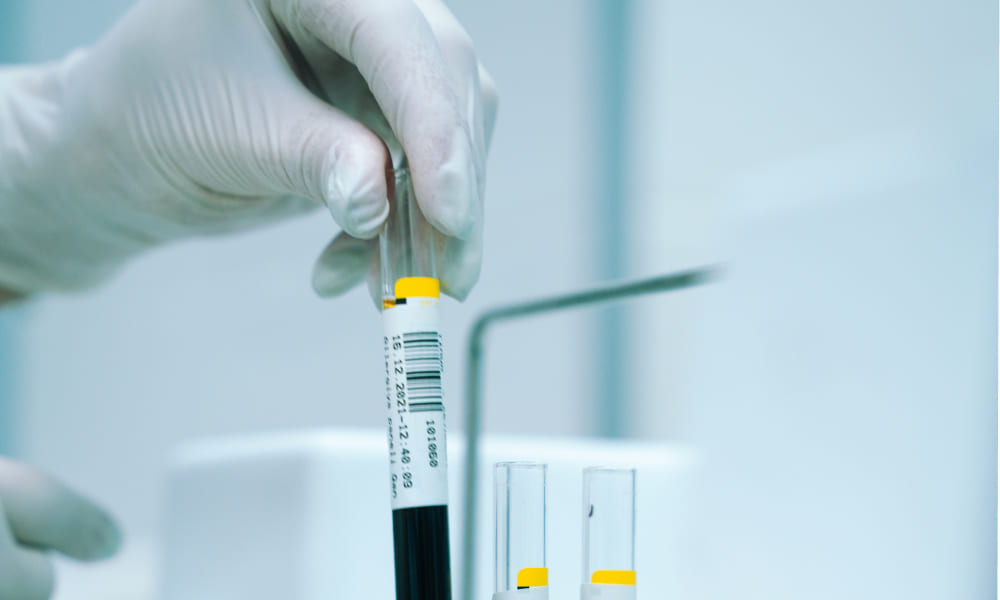
STDs are diagnosed through lab tests, urine tests, swabs, or blood tests, depending on the suspected infection. - Are STDs curable?
Many STDs, such as chlamydia, gonorrhea, and syphilis, are curable with antibiotics. HIV and herpes are not curable but can be managed with medication. - How can I prevent STDs?
Prevention includes abstaining from sex until both partners are tested, practicing monogamy with tested partners, and using condoms consistently and correctly. - Can I transmit an STD without symptoms?
Yes. Many STDs can be spread even if you don’t have symptoms, which is why regular testing is important. - What should I do if I test positive for an STD?
Seek treatment immediately and inform your sexual partners so they can get tested. Follow your doctor’s instructions for medication and follow-up care. - Can STDs affect fertility?
Yes. Untreated STDs can lead to complications such as infertility, pelvic inflammatory disease, or chronic pain. Early detection and treatment reduce these risks. - Are there vaccines to prevent STDs?
Yes. Vaccines are available for some STDs, including HPV and hepatitis B. Talk to Dr. Bazel about what’s appropriate for you. - Is testing for STDs confidential?
Absolutely. Testing at Dr. Bazel’s offices is private, and your information is protected according to medical privacy laws. - How often should I get tested for STDs?
Testing frequency depends on your lifestyle and sexual activity. People with multiple partners or new partners should get tested regularly, even without symptoms. - Can I get treated for an STD at Dr. Bazel’s office?
Yes. Dr. Bazel offers testing and treatment for a wide range of STDs using safe and effective methods. - How do I schedule an STD test?
You can schedule an appointment online or call any of Dr. Bazel’s locations in Valley Village, Panorama City, or Los Angeles (Bell).