Understanding Neurological Symptoms:
The Complete Patient Guide
Last Updated: November 5, 2026
Numbness that keeps returning. A headache that feels different from the ones you’ve had before. Muscle weakness that makes everyday tasks unexpectedly difficult. When neurological symptoms develop without an obvious explanation, it can be difficult to know whether they are temporary or signs of an underlying condition.
Your nervous system controls movement, sensation, balance, memory, and many other essential functions. Problems affecting the brain, spinal cord, peripheral nerves, or muscles can produce symptoms that seem unrelated but may have a neurological cause.
At Dr. Bazel’s practice, we evaluate neurological symptoms through a detailed medical history, neurological examination, and diagnostic testing when appropriate. We focus on understanding what you’re experiencing, identifying possible causes, and helping you make informed decisions about your care.
Understanding the Nervous System: Central vs. Peripheral Symptoms
The nervous system has two main divisions. The central nervous system includes the brain and spinal cord, while the peripheral nervous system consists of nerves extending throughout the body.
Where a problem develops often influences the symptoms you experience. Conditions affecting the brain or spinal cord may interfere with coordination, movement, thinking, or balance. Peripheral nerve disorders more commonly cause numbness, tingling, pain, or weakness in particular areas.
For example, tingling that gradually develops in both feet may suggest peripheral neuropathy, while pain traveling from the neck into one arm can indicate irritation of a spinal nerve root. These patterns provide diagnostic clues, although symptoms alone cannot establish a diagnosis.
Central Nervous System Warning Signs
Symptoms that may involve the brain or spinal cord include:
- New or changing headaches
- Seizures or episodes of altered awareness
- Balance and coordination difficulties
- Muscle stiffness or spasticity
- Changes in memory or thinking
- Unexplained weakness or sensory changes
Seek emergency medical attention for sudden one-sided weakness or numbness, facial drooping, difficulty speaking, sudden vision loss, abrupt loss of coordination, or a sudden severe headache. These symptoms may indicate a stroke or another serious neurological condition.
Peripheral Nerve and Neuromuscular Symptoms
Peripheral nerves transmit sensory information and control muscle activity. When nerve signals are disrupted, patients may experience burning pain, pins-and-needles sensations, muscle twitching, reduced sensation, or weakness.
Peripheral neuropathy, nerve compression, and neuromuscular disorders can produce overlapping symptoms. During your evaluation, we examine which structures may be affected and whether additional testing could help clarify the cause.
Neurological Symptoms We Evaluate
Neurological conditions do not always begin with dramatic changes. Sometimes the first sign is difficulty gripping an object, recurring numbness, or a subtle change in walking.
Numbness, Tingling, and Burning Nerve Pain
Persistent numbness or tingling can develop when nerves are compressed, irritated, or damaged. The location and progression of symptoms help us narrow down possible causes.
Numbness affecting the thumb and first few fingers may suggest carpal tunnel syndrome. Pain traveling from the lower back into a leg can indicate lumbar radiculopathy, while tingling that begins in both feet may occur with peripheral neuropathy.
Patients may also experience paresthesia (pins-and-needles sensations), allodynia (pain from normally harmless touch), or hyperalgesia (an unusually strong response to painful stimulation).
Diabetes, nutritional deficiencies, medications, inflammatory conditions, and nerve injuries are among the possible causes. We select diagnostic testing based on your symptoms and examination findings rather than relying on symptoms alone.
Muscle Weakness, Cramping, and Muscle Atrophy
True muscle weakness may become noticeable when everyday movements become difficult. You might struggle to lift the front of your foot while walking, hold objects securely, or perform tasks requiring hand strength.
Possible causes include peripheral nerve injuries, spinal nerve root disorders, muscle conditions, and neuromuscular junction disorders such as myasthenia gravis.
Progressive weakness or visible muscle wasting deserves evaluation because identifying the affected nerves or muscles can influence treatment decisions.
Chronic Headaches, Migraines, and Facial Pain
Headaches vary in their causes and characteristics. Migraine may involve throbbing pain, nausea, or sensitivity to light and sound. Tension-type headaches typically produce a pressing or tightening sensation.
Occipital neuralgia can cause shooting pain at the back of the head, while trigeminal neuralgia produces episodes of severe facial pain.
We evaluate headache frequency, duration, triggers, associated symptoms, and changes in your usual pattern to determine whether further investigation is appropriate. Not every headache requires imaging, but a sudden, extremely severe headache warrants emergency care.
Dizziness, Balance Problems, and Walking Changes
Dizziness can describe several sensations. Vertigo creates a feeling of spinning, while disequilibrium involves unsteadiness without spinning. Lightheadedness may have neurological or non-neurological causes.
Peripheral neuropathy can affect balance by reducing sensation in the feet. Other neurological conditions may interfere with coordination, posture, or walking.
Understanding when symptoms occur, what triggers them, and whether weakness or sensory changes are present helps us determine the appropriate evaluation.
Tremors, Stiffness, and Involuntary Movements
Not every tremor indicates Parkinson’s disease. Essential tremor commonly appears during activities such as writing or holding a cup. Parkinsonian tremor more often occurs at rest and may accompany stiffness or slowed movement.
Other movement disorders can cause involuntary muscle contractions, abnormal postures, or coordination difficulties.
During your examination, we assess how movements occur and whether other neurological findings suggest a particular condition.
Memory Changes, Cognitive Fog, and Sleep Disturbances
Occasional forgetfulness is common, but memory difficulties that progressively worsen or interfere with daily activities deserve attention.
Sleep problems, medications, metabolic conditions, and neurological disorders can affect concentration and memory. Restless legs syndrome may also disrupt sleep through uncomfortable sensations and an urge to move the legs.
We consider these potential contributors when determining whether cognitive screening, laboratory testing, or additional assessment is appropriate.
How We Determine What Your Neurological Symptoms Mean
Different neurological conditions can produce similar complaints. A patient with tingling in one hand may have a compressed nerve at the wrist, irritation of a nerve root in the neck, or another nerve disorder.
Our examination helps identify which possibilities are most likely and whether testing can clarify the diagnosis.
| Symptoms | Possible Causes | Potential Evaluation |
|---|---|---|
| Burning pain and numbness in both feet | Peripheral neuropathy, metabolic conditions | Neurological exam, laboratory tests, EMG/NCS when indicated |
| Pain traveling from the neck or back into a limb | Radiculopathy, peripheral nerve disorders | Strength and reflex testing, EMG/NCS, imaging when appropriate |
| Recurring headaches with nausea or visual changes | Migraine, other headache disorders | Headache history, neurological exam, selected imaging |
| Tremor with stiffness or walking changes | Essential tremor, parkinsonism | Movement and gait examination |
| Progressive memory difficulties | Cognitive disorders, sleep or metabolic causes | Cognitive screening, blood tests, imaging when indicated |
These are possible diagnostic approaches, not fixed testing protocols. We interpret results alongside your symptoms and examination findings to determine the next steps.
Diagnostic Testing for Neurological Symptoms
Diagnostic testing can help clarify whether symptoms involve peripheral nerves, muscles, the brain, or spinal cord. The studies we recommend depend on your symptoms and suspected condition. Some tests may be performed in the office, while others may be ordered or coordinated through outside facilities.
Electromyography (EMG) and Nerve Conduction Studies (NCS)
Nerve conduction studies measure how electrical signals travel through peripheral nerves using electrodes placed on the skin. Needle EMG records electrical activity within selected muscles.
Together, these tests can help evaluate carpal tunnel syndrome, certain peripheral neuropathies, radiculopathy, and neuromuscular disorders.
For example, EMG testing may help identify nerve root involvement in a patient with radiating back or neck pain, although normal results do not exclude every case of radiculopathy.
Routine EMG and nerve conduction studies primarily assess large nerve fibers. Results may be normal in isolated small-fiber neuropathy, which may require additional evaluation, such as skin biopsy or specialized testing.
EEG and Autonomic Testing
An electroencephalogram (EEG) records electrical activity in the brain and may be recommended when seizures or certain other neurological disturbances are suspected.
Autonomic testing assesses functions such as heart rate and blood pressure regulation. It may be useful when symptoms suggest autonomic nervous system dysfunction.
We consider these investigations when clinically appropriate and coordinate additional testing when needed.
Brain and Spine Imaging
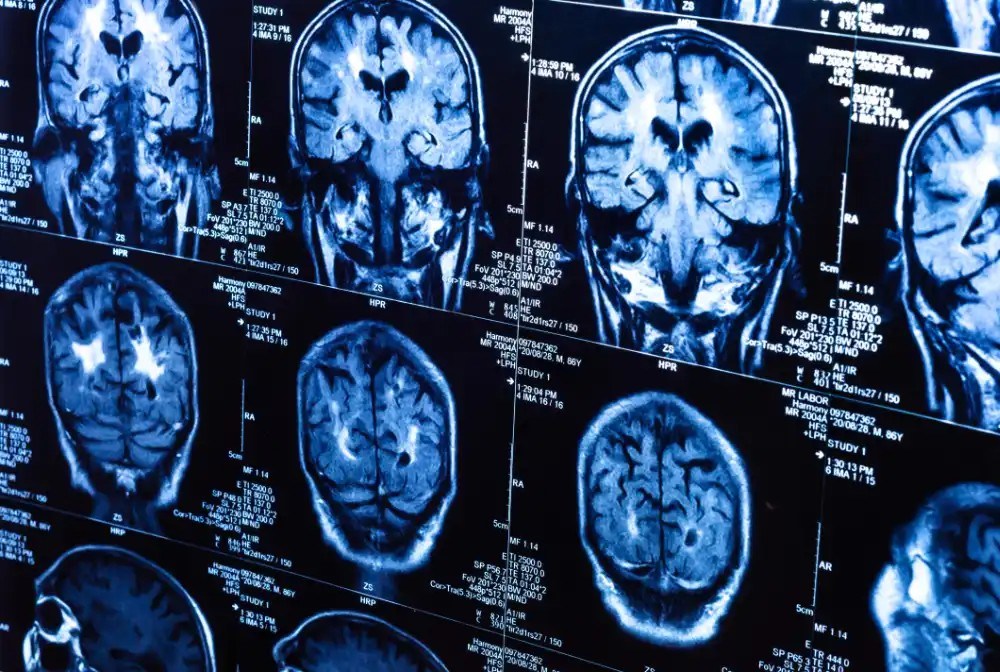
MRI provides detailed images of the brain, spinal cord, and surrounding structures without ionizing radiation. CT uses X-rays to produce cross-sectional images and may be useful in certain urgent or structural evaluations.
Imaging can help investigate suspected neurological abnormalities, but not every patient requires an MRI or CT scan. We recommend imaging when the findings suggest it may help clarify the diagnosis.
Laboratory Testing and Cognitive Assessment
Blood work may help identify medical conditions associated with neurological symptoms, including diabetes, thyroid disorders, and certain vitamin deficiencies.
Cognitive screening or other specialized assessments may be appropriate when symptoms involve memory, attention, or changes in thinking.
What to Expect During Your Neurological Evaluation
Your first appointment gives us an opportunity to understand what you’ve been experiencing, identify relevant neurological findings, and determine whether additional testing is needed.
Medical History and Symptom Review
We’ll discuss when your symptoms began, how they have changed, and what makes them better or worse. Your medical history, medications, previous injuries, and prior test results also provide important context.
Neurological Examination
Depending on your concerns, we may assess muscle strength, sensation, reflexes, coordination, balance, and cranial nerve function.
These findings help us identify which parts of the nervous system may be involved.
Diagnostic Testing and Treatment Planning
Once we’ve reviewed your findings, we’ll explain the likely diagnosis and discuss appropriate treatment, monitoring, or referral options. Follow-up care may be recommended to assess changes in symptoms and your response to treatment.
When Should You See a Neurologist?
Not every headache or episode of tingling requires neurological care. However, symptoms that persist, repeatedly return, progress, or interfere with daily activities warrant evaluation.
Consider scheduling a neurological consultation if you experience:
- Persistent or spreading numbness and tingling
- Muscle weakness affecting everyday movements
- Recurring or changing headaches
- Tremors, dizziness, or balance difficulties
- Progressive memory or cognitive changes
- Neurological symptoms that remain unexplained after an initial evaluation
During your consultation, we’ll assess whether your symptoms suggest a neurological condition and explain what further evaluation may be useful.
Sudden stroke-like symptoms, a thunderclap headache, or rapidly developing severe neurological deficits require emergency care rather than a routine appointment.
Why Choose Dr. Bazel for Neurological Symptom Evaluation?
Neurological symptoms can be challenging to interpret, particularly when several conditions produce similar complaints.
Dr. Bazel’s fellowship training and experience in neurological and neuromuscular evaluation support our approach to diagnosing these concerns. We consider your medical history, examination findings, and appropriate testing together rather than relying on one isolated result.
Neurological and Neuromuscular Diagnostic Expertise
Symptoms such as weakness, numbness, and muscle pain may involve peripheral nerves, nerve roots, muscles, or other neurological structures.
When appropriate, electrodiagnostic testing can help us distinguish among certain causes and determine whether further evaluation is needed.
Individualized Care and Clear Communication
We believe you should understand why testing is recommended, what your findings may mean, and how those results influence treatment decisions.
Our approach emphasizes clear communication and individualized care. We’ll explain what we’re evaluating, answer your questions, and recommend next steps based on your symptoms and medical history.
Frequently Asked Questions About Neurological Symptoms
What Are the Most Common Early Warning Signs of a Neurological Disorder?
Possible signs include persistent numbness, unexplained weakness, changing headaches, tremors, balance difficulties, and memory changes. These symptoms have many causes and do not necessarily indicate a serious disorder. New or progressive symptoms deserve evaluation.
When Should I See a Neurologist for Numbness or Tingling?
Consider an evaluation when symptoms persist, spread, repeatedly return, or affect everyday activities. Sudden numbness accompanied by weakness, facial drooping, or difficulty speaking requires emergency care.
What Is the Difference Between EMG and Nerve Conduction Studies?
Nerve conduction studies measure electrical signals traveling through peripheral nerves. Needle EMG records electrical activity in muscles. The tests are often performed together to help evaluate certain nerve and muscle disorders.
Can Chronic Headaches or Migraines Indicate a Serious Neurological Condition?
Most recurring headaches are primary headache disorders, including migraine. However, significant changes in headache patterns or new neurological symptoms may require investigation. A sudden, extremely severe headache needs emergency assessment.
What Causes Sudden Muscle Weakness or Loss of Coordination?
Possible causes include nerve disorders and conditions affecting the brain or spinal cord. Sudden one-sided weakness or abrupt loss of coordination may indicate a stroke and requires emergency medical attention.
How Do We Evaluate Peripheral Neuropathy?
We begin with your medical history and a neurological examination. Depending on the findings, we may recommend EMG/NCS, laboratory testing, or additional investigations. Treatment depends on the underlying cause.
How Can You Tell the Difference Between Essential Tremor and Parkinson's Disease?
Essential tremor often occurs during activities, while Parkinsonian tremor more commonly appears at rest and may accompany stiffness or slowed movement. A neurological examination helps distinguish these conditions.
When Should Memory Loss or Brain Fog Be Evaluated?
Memory problems deserve evaluation when they worsen, interfere with daily tasks, or represent a noticeable change. Sleep disorders, medications, metabolic conditions, and neurological disorders may contribute.
Are EMG and EEG Neurological Tests Painful?
An EEG is generally painless. Nerve conduction studies involve brief electrical pulses, while needle EMG may cause temporary discomfort. These tests are generally safe, although individual experiences vary.
How Do I Schedule a Neurological Evaluation With Dr. Bazel?
You can request an appointment with our practice through our website. Bring a list of your symptoms, medications, and previous diagnostic results so we can make the most of your consultation.
Schedule a Comprehensive Neurological Evaluation
With Dr. Bazel
Unexplained numbness, weakness, headaches, dizziness, or changes in coordination can interfere with everyday life. A neurological evaluation can help identify possible causes and determine whether additional testing or treatment is appropriate.
We combine careful clinical assessment with diagnostic testing when indicated to help you understand your symptoms and make informed decisions about your care.
If neurological symptoms are affecting your daily activities, schedule a consultation with Dr. Bazel. We’re here to help you understand what may be causing your symptoms and determine the next steps.