You feel healthy, stay active, and get through your day without any obvious health concerns. But when was the last time you had your blood pressure checked?
High blood pressure can develop without causing noticeable symptoms. You may feel completely fine while elevated pressure gradually increases your risk of heart disease, stroke, kidney problems, and other complications. That is why regular blood pressure screening matters, even when nothing feels wrong.
At our primary care practice, Dr. Michael Bazel helps men in Panorama City and the surrounding Los Angeles area understand their cardiovascular risk, identify elevated blood pressure, and take practical steps to protect their long-term health.
Why Is High Blood Pressure Called the Silent Killer?
High blood pressure, also called hypertension, is generally defined as blood pressure that consistently measures at or above 130/80 mmHg. It is often called the “silent killer” because it can increase the risk of serious health problems without producing noticeable symptoms.
You may have heard that headaches, dizziness, or nosebleeds are signs of hypertension. However, these symptoms are not reliable indicators. Many men with elevated blood pressure experience none of them.
Over time, sustained high blood pressure can damage blood vessels, place additional strain on the heart, and contribute to complications affecting several organs.
The absence of symptoms does not mean your blood pressure is normal. Measuring it is the only reliable way to know whether your readings are elevated.
Also Read: Men’s Health Checklist: Essential Screenings to Prevent Serious Illness
How High Blood Pressure Can Affect Men’s Health
When blood pressure remains elevated, the heart and blood vessels must work against greater resistance. The effects can develop gradually, sometimes before a man realizes he has hypertension.
Heart Disease and Heart Failure
High blood pressure forces the heart to work harder to circulate blood. Over time, the left ventricle may thicken, a condition called left ventricular hypertrophy.
These changes can increase the risk of heart failure and certain abnormal heart rhythms. Hypertension also contributes to coronary artery disease, increasing the likelihood of a heart attack.
Stroke and Cognitive Health
Elevated blood pressure can damage blood vessels supplying the brain. It increases the risk of both ischemic strokes, caused by blocked blood flow, and hemorrhagic strokes, caused by bleeding.
Longstanding uncontrolled hypertension is also associated with vascular cognitive impairment and dementia. Managing blood pressure is an important part of protecting long-term brain health.
Kidney Damage
Your kidneys rely on small blood vessels to filter waste and regulate fluid levels. Sustained high blood pressure can damage these vessels and gradually reduce kidney function.
Hypertension and chronic kidney disease can also worsen one another, making early detection and ongoing management particularly important.
Vision Problems
High blood pressure can damage the small blood vessels in the retina, a condition called hypertensive retinopathy.
Severe or prolonged hypertension may contribute to vision problems, although early changes may not produce noticeable symptoms.
Erectile Dysfunction
High blood pressure can affect circulation throughout the body, including blood flow involved in erectile function.
Erectile dysfunction has several possible causes, but vascular disease and hypertension are important considerations. Some blood pressure medications can also affect sexual function, so discuss any concerns with your physician rather than stopping treatment independently.
Also Read: Men’s Health Issues That Are More Common Than You Might Realize
Can Men Have High Blood Pressure Without Knowing It?
Yes. Hypertension often develops without warning signs, and many men discover elevated readings during routine medical visits.
Risk factors include family history, increasing age, excess sodium intake, physical inactivity, smoking, heavy alcohol use, excess body weight, sleep apnea, and diabetes.
Even if you exercise regularly and feel healthy, checking your blood pressure remains important.
How Is High Blood Pressure Diagnosed?
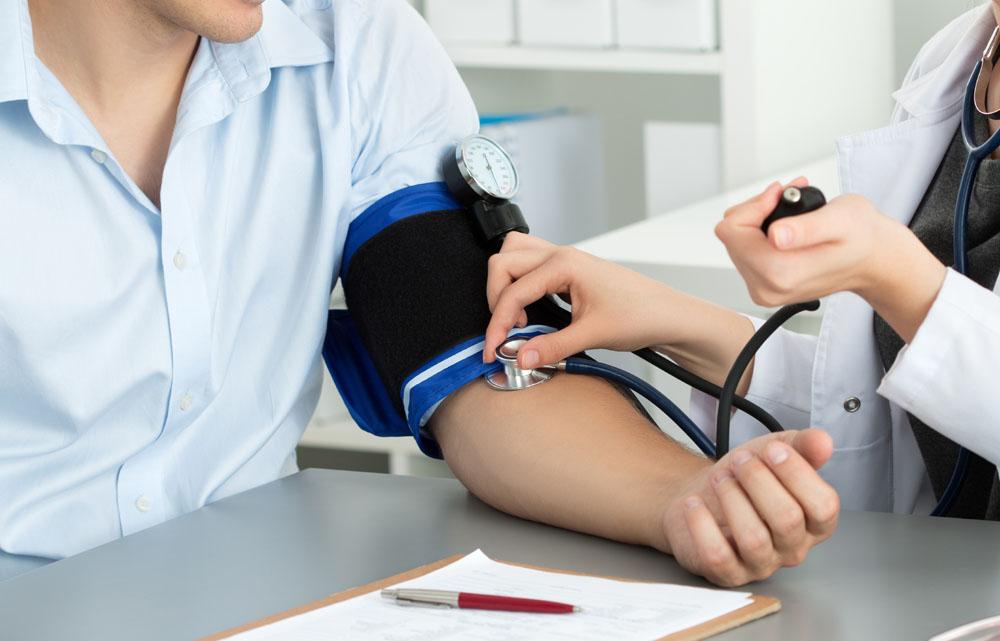
Blood pressure is measured using two numbers:
Systolic pressure: The top number, measuring pressure when your heart beats.
Diastolic pressure: The bottom number, measuring pressure between heartbeats.
Under commonly used U.S. classifications, normal blood pressure is below 120/80 mmHg. Elevated blood pressure is 120–129 systolic with diastolic pressure below 80. Stage 1 hypertension begins at 130 systolic or 80 diastolic, while Stage 2 begins at 140 systolic or 90 diastolic.
A single elevated reading does not always establish a diagnosis. Your physician may recommend repeated office measurements or home monitoring to understand your usual blood pressure.
Why Home Blood Pressure Monitoring Matters
Blood pressure can fluctuate because of stress, activity, caffeine, and other factors.
A validated home monitor can help identify patterns that may not appear during a single appointment. It can also help distinguish persistently elevated readings from white coat hypertension, when blood pressure rises in a medical setting.
In some cases, your physician may recommend ambulatory monitoring, which records readings automatically over approximately 24 hours.
How Is High Blood Pressure Treated?
Treatment depends on your blood pressure readings, medical history, and overall cardiovascular risk.
Lifestyle changes are important for nearly everyone with elevated blood pressure. Your physician may recommend:
- Reducing sodium, particularly from processed and restaurant foods.
- Getting regular physical activity, as medically appropriate.
- Maintaining a healthy weight.
- Limiting alcohol and avoiding tobacco.
- Managing stress and addressing sleep problems.
- Monitoring blood pressure consistently.
Some patients also benefit from medication, particularly when blood pressure remains high or additional cardiovascular risk factors are present.
If medication is prescribed, take it as directed. Do not stop treatment simply because your readings improve. Your physician can address side effects and adjust medications when necessary.
Regular follow-up helps determine whether your treatment plan is working.
When Does High Blood Pressure Require Immediate Medical Attention?
Although hypertension often causes no symptoms, severely elevated readings can require urgent evaluation.
If your systolic pressure is higher than 180 and/or your diastolic pressure is higher than 120, wait at least one minute and repeat the measurement.
If the reading remains that high, seek prompt medical guidance, even if you feel well.
Call 911 immediately if a severely elevated reading occurs with chest pain, shortness of breath, sudden weakness, difficulty speaking, vision changes, or other symptoms suggesting a medical emergency.
Do not wait for symptoms to resolve before seeking emergency care.
Also Read: When Should You See a Men’s Health Specialist? Signs You Shouldn’t Ignore
Protecting Your Long-Term Health Starts With Screening
You do not need to feel unwell to benefit from a blood pressure check. Routine screening can identify elevated readings before complications develop and give you an opportunity to address cardiovascular risk.
At our primary care practice, Dr. Michael Bazel provides preventive screenings and individualized guidance for men concerned about their blood pressure and overall health.
If you have not checked your blood pressure recently, have a family history of hypertension, or are concerned about your readings, scheduling a primary care appointment is a practical next step.
Frequently Asked Questions
Can You Have Dangerously High Blood Pressure Without Symptoms?
Yes. Even significantly elevated blood pressure may cause no noticeable symptoms. A blood pressure measurement is necessary to identify elevated readings, and severely high results require prompt attention.
How Often Should Men Have Their Blood Pressure Checked?
Screening frequency depends on age, previous readings, and cardiovascular risk. Adults with hypertension or other risk factors may need more frequent monitoring. Your primary care physician can recommend an appropriate schedule.
Can High Blood Pressure Cause Erectile Dysfunction?
Yes. Hypertension can affect blood vessel health and circulation, potentially contributing to erectile dysfunction. Other medical conditions and medications may also play a role, so a physician can help evaluate the underlying cause.
What Blood Pressure Reading Is Considered High?
Under commonly used U.S. guidelines, Stage 1 hypertension begins at a systolic reading of 130 or a diastolic reading of 80 mmHg. Diagnosis generally requires repeated measurements rather than one isolated result.
Can Lifestyle Changes Lower Blood Pressure Without Medication?
Lifestyle changes can lower blood pressure for many patients. However, some men also need medication depending on their readings and cardiovascular risk. Your physician can help determine the appropriate approach.
When Should You Seek Medical Attention for High Blood Pressure?
Contact your physician if repeated readings are elevated. If blood pressure exceeds 180 systolic and/or 120 diastolic, repeat it after at least one minute and seek prompt guidance if it remains high. Call 911 for symptoms of a medical emergency.
Schedule a Blood Pressure Evaluation With Dr. Michael Bazel
High blood pressure can remain unnoticed for years, but routine screening makes it possible to identify elevated readings and begin appropriate management. You do not have to wait until symptoms appear to take your cardiovascular health seriously.
Dr. Michael Bazel provides primary care services for patients in Panorama City, Valley Village, and Bell, including preventive screenings and ongoing blood pressure management.